Defend Your Rights With a Top Illegal Eviction Attorney
Navigating the challenges of wrongful eviction can be disconcerting. Many individuals may not fully understand their legal protections or the legal obligations of their landlords. A experienced wrongful eviction attorney can deliver essential support and assistance in these contexts. They can clarify the details of tenant protections and owner obligations. Grasping how to obtain proper legal counsel is paramount. The next steps could profoundly affect one's residential security and legal standing. What should one examine when pursuing legal representation?
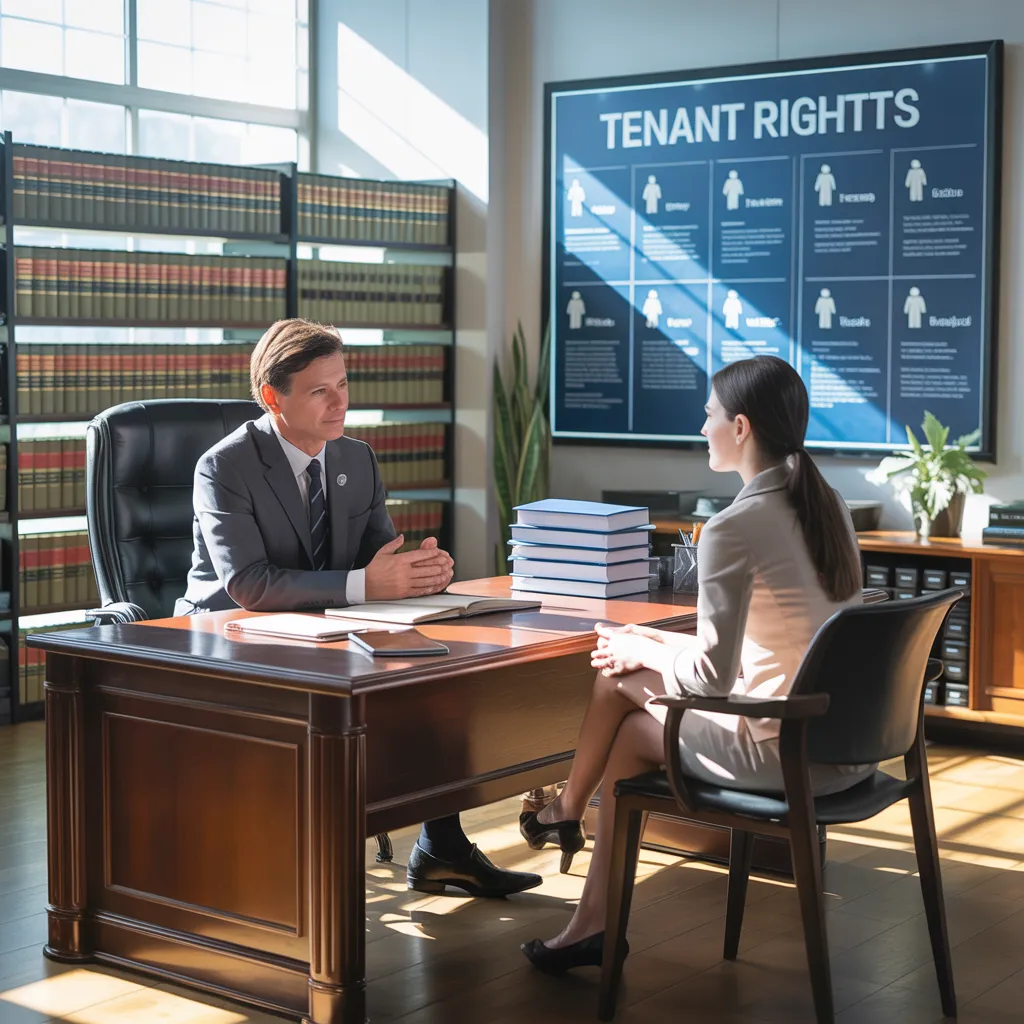
Essential Details You Should Know Regarding Wrongful Eviction
What defines wrongful eviction? Wrongful eviction transpires when a landlord unlawfully ejects a tenant from a rental property, contravening established laws or lease agreements. This can involve situations where the landlord fails proper legal procedures, such as furnishing adequate notice or getting a court order before eviction. Additionally, wrongful eviction may originate from discriminatory practices, harassment, or retaliation against tenants invoking their legal rights.
Tenants may also encounter wrongful eviction if they are removed without valid reason, particularly in areas that provide protections against such actions. Understanding tenant protections in your area and landlord obligations is crucial for both sides. Legal options exist for tenants who think they have been wrongfully evicted, including filing complaints or seeking compensation. Hiring a knowledgeable wrongful eviction attorney can help tenants manage these complexities and protect their protections effectively.
Indicators You Might Be Dealing with Illegal Eviction
Spotting the clues of potential wrongful eviction can enable tenants to take proactive actions to defend their rights. A clear indicator is the receipt of a notice to vacate without a valid reason or prior communication. Additionally, if a landlord threatens eviction without observing legal procedures, it may suggest wrongful eviction. Tenants should also watch for sudden rent increases, particularly if paired with eviction threats, as this may be used to intimidate.
A warning sign is if the landlord fails to maintain the property, thereby creating an unsafe living environment, which can result in retaliation against tenants who complain. Moreover, unexpected changes in lease terms or refusal to renew a lease without justification can also indicate wrongful eviction. Recognizing these signs is crucial for tenants to safeguard their housing stability and seek appropriate legal counsel if needed.
How an Experienced Attorney Can Offer Help Regarding Wrongful Eviction
A premier legal expert imparts invaluable courtroom proficiency to disputes of unjust removal, ensuring that tenants understand their rights. They expertly work through complex regulations that often encumber eviction processes, offering insight and support. By building strong legal strategies, these professionals can effectively advocate for their parties and pursue justice.
Legal Competence Matters Above Everything Else
While traversing the complexities of a wrongful eviction can be challenging, the knowledge of a top lawyer can greatly impact the outcome. Skilled attorneys bring a abundance of knowledge regarding renter protections and landlord obligations, ensuring that clients comprehend their legal position. They can analyze case details, identify potential violations, and create compelling arguments to support the tenant's position. In addition, a seasoned attorney is adept at bargaining with landlords or their representatives, often obtaining favorable settlements without the need for prolonged litigation. In court, their expertise can be invaluable, as they know how to deliver evidence effectively and counter opposing claims. Ultimately, having a top wrongful eviction attorney can be the difference between a successful resolution and prolonged distress.
Dealing with Challenging Regulations
Navigating through the intricate landscape of housing regulations can overwhelm many tenants encountering wrongful eviction. These regulations, often dense and convoluted, vary greatly by jurisdiction, making it difficult for individuals to comprehend their rights and obligations. A top wrongful eviction attorney has the expertise needed to interpret these laws effectively. They can identify violations that may have occurred during the eviction process, ensuring that tenants are aware of their rights. Additionally, an experienced attorney can guide tenants through the necessary documentation and procedures required to contest an eviction. This support not only strengthens tenants but also enhances their chances of a positive result in their legal battles, providing essential protection against unjust housing practices.
Establishing Dependable Legal Initiatives
Building robust legal approaches is crucial for tenants facing illegal eviction proceedings, and a experienced attorney plays a vital part in this matter. A knowledgeable attorney evaluates the details of the case, identifying any violations of renter protections or breaches of lease terms. They collect evidence, such as rental contracts and communication records, to build a persuasive case. Additionally, a attorney can skillfully manage local laws and regulations, ensuring that all statutory procedures are followed. They also provide advocacy in negotiations or court proceedings, championing the tenant's interests. By crafting a customized legal approach, the legal representative enhances the chances of a positive result, ultimately safeguarding the tenant's rights and ensuring their residential security.
Understanding Illegal Eviction Court Protocols
The unlawful eviction legal process requires comprehending the specific legal reasons that can justify eviction and the procedural steps that must be adhered to. Tenants confronting eviction need to be conscious of their rights and the legal safeguards available to them. Navigating through this process effectively requires knowledge of both the laws governing eviction and the required actions to contest an unlawful removal.
Legal Grounds for Eviction
Although eviction can be a essential action for landlords, understanding the grounds for wrongful eviction is important for both tenants and property owners. Wrongful eviction typically occurs when a landlord attempts to remove a tenant without correct legal justification. Common see this article legal grounds for eviction include nonpayment of rent, violation of lease terms, or engaging in illegal activities on the premises. However, landlords must follow specific legal procedures to terminate a lease, such as providing sufficient notice. Evictions based on discrimination or retaliation against tenants for exercising their rights also constitute wrongful eviction. Awareness of these legal grounds helps protect tenants' rights and guarantees landlords comply with lawful practices during the eviction process.
Steps in the Workflow
Navigating the wrongful eviction legal process requires multiple critical steps that both tenants and property owners must understand. Initially, tenants should document all relevant correspondence and lease agreements, establishing a clear sequence of events. They may then submit a claim in the proper court, outlining the grounds for contesting the eviction. Subsequently, both parties will attend a hearing where documentation and statements are given. After the ruling, if the tenant succeeds, they may pursue damages for losses incurred. Conversely, landlords can appeal if they believe the decision was unfair. Throughout this process, engaging a knowledgeable wrongful eviction attorney can provide vital advice, ensuring that rights are protected and legal obligations are fulfilled successfully.
Guidelines for Finding the Best Wrongful Eviction Lawyer
How can one locate the most suitable wrongful eviction attorney? First, prospective clients should evaluate the attorney's experience and focus in landlord-tenant law. A demonstrated history in handling wrongful eviction cases can demonstrate a deeper understanding of relevant laws and procedures.
Afterward, requesting referrals or reading client reviews can offer understanding into the attorney's standing and success rate. Communication skills are also essential; the attorney should be approachable, attentive, and able to explain complex legal concepts clearly.
Moreover, investigating the attorney's payment terms ensures that services are budget-friendly and honest. A skilled attorney should furnish a thorough explanation of costs and potential outcomes.
Finally, an initial consultation can help assess mutual understanding and confidence, which are essential for a collaborative attorney-client relationship. By evaluating these factors, individuals can make informed decisions when selecting the most suitable wrongful eviction lawyer for their requirements.
Why Taking Swift Action Is Important in Wrongful Eviction
Acting without delay in wrongful eviction cases is necessary for protecting your legal interests and obtaining favorable results. Postponing action can result in the loss of critical evidence and witness statements, which are essential for developing a convincing legal argument. Furthermore, legal timeframes, including statutes of limitations, may narrow the timeframe to submit a claim.
Consulting a wrongful eviction lawyer at the earliest opportunity provides an individual the most options, including negotiations or filing an injunction to cease the eviction action. Quick measures also proves to judicial bodies and landlords that the resident is serious about upholding their legal rights.
Furthermore, immediate contact with a lawyer provides a in-depth knowledge of local landlord-tenant laws, which can substantially affect the case's trajectory. In conclusion, taking swift action not only increases the chances of a favorable resolution but also preserves the tenant's legal rights throughout the eviction process.
Common Inquired Questions
What Are the Common Reasons of Illegal Tenant Removal Claims?
Wrongful eviction claims typically include lack of adequate notice, retaliatory behavior from property owners, discriminatory practices, failure to adhere to legal procedures, and mid-lease evictions lacking valid justification, thereby undermining renter protections and legal safeguards.
May I bring a case against my landlord for psychological suffering following forced removal?
Yes, an individual can sue their landlord for emotional distress after removal from the property. However, establishing psychological suffering demands significant proof, showing that the landlord's actions were deliberate or careless and directly resulted in severe psychological damage.
What is the Timeframe for Filing a Wrongful Eviction Lawsuit?
Commonly, persons have between one to three years to present a wrongful eviction suit, in accordance with state laws. Prompt action is recommended to ensure the preservation of rights and potential retrieval of damages.
What Materials Do I Require to Validate My Improper Eviction Case?
To strengthen a wrongful eviction case, one needs proof such as lease agreements, rental payment history, eviction notices, landlord communications, pictures of the premises, and witness accounts detailing the eviction circumstances and any significant exchanges.
Do I Need to Appear in Court for a Unlawful Eviction Claim?
In most cases, filing a wrongful eviction claim may demand court participation, as legal actions often facilitate the settlement of disagreements. However, some cases may be resolved outside the courtroom through negotiation or mediation, depending on situations.